Stucco is a popular exterior finish known for its durability, energy efficiency, and timeless appearance. When properly installed and maintained, it can last for decades while protecting your home from the elements. However, like any building material, stucco is not immune to damage. Cracks, stains, and bulging sections can develop over time, often signaling deeper issues beneath the surface.
Understanding what causes these problems is essential for homeowners who want to protect their investment. By identifying the most common sources of deterioration early, you can take proactive steps and avoid costly stucco repair down the road.
Water Intrusion And Moisture Issues
Water is one of the leading causes of stucco damage. Although stucco is designed to repel moisture, it is not entirely waterproof.
When rainwater penetrates small cracks or poorly sealed joints around windows and doors, it can become trapped behind the surface. Over time, this trapped moisture weakens the underlying materials, including wood framing and sheathing.
Improper flashing installation is another common culprit. Flashing is meant to direct water away from vulnerable areas of the home. If it is missing or incorrectly installed, water can seep behind the stucco, leading to rot, mold, and structural deterioration.
Signs of moisture-related damage include discoloration, bubbling, soft spots, or musty odors inside the home. In severe cases, sections of stucco may detach from the wall entirely. Addressing these issues quickly can prevent extensive damage and reduce the need for major repair later.
Poor Installation Practices
Even the highest-quality materials can fail if they are not installed correctly. Poor workmanship is a significant factor in many cases of stucco damage. For example, applying stucco too thinly can make it more susceptible to cracking and impact damage. On the other hand, applying it too thickly may cause improper curing and structural stress.
Another common installation mistake involves inadequate curing time. Stucco requires proper moisture and temperature conditions to cure correctly. Rushing this process can weaken the finish and create hairline cracks that worsen over time.
Improper mixing ratios can also compromise the integrity of the material. If the mixture contains too much water or not enough bonding agents, it may lack the strength needed to withstand environmental stress. These installation errors often remain hidden for months or even years before visible problems emerge.
Homeowners should always work with experienced professionals who understand local climate conditions and building codes. Doing so can significantly reduce the risk of premature deterioration and future repair expenses.
Foundation Movement And Structural Shifts
Homes naturally settle over time, especially during the first few years after construction. Minor settling is normal, but significant foundation movement can cause noticeable cracks in stucco walls. Because stucco is a rigid material, it does not flex easily when the structure beneath it shifts.
Soil conditions play a major role in foundation movement. Expansive clay soils, for example, can swell when wet and shrink during dry periods. This constant expansion and contraction place stress on the foundation and exterior walls. Seismic activity and nearby construction can also contribute to structural shifts.
When cracks appear in a stair-step pattern or extend diagonally across the wall, they may indicate underlying structural movement rather than simple surface wear. Ignoring these warning signs can lead to more serious structural concerns. In such cases, addressing the foundation issue is just as important as performing stucco repair to ensure long-term stability.
Weather Exposure And Environmental Factors
Stucco exteriors are constantly exposed to environmental stress. Extreme temperature fluctuations, heavy rainfall, high humidity, and strong winds all take a toll over time. In colder climates, freeze-thaw cycles are particularly damaging. When moisture enters small cracks and then freezes, it expands, widening the cracks and accelerating deterioration.
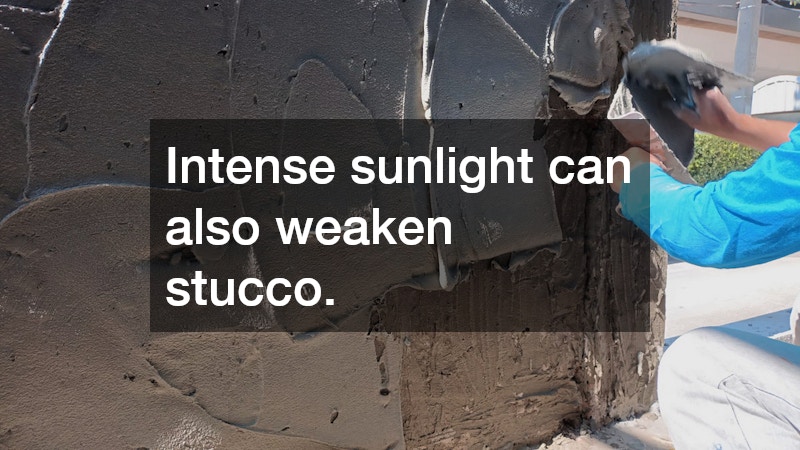
Intense sunlight can also weaken stucco. Prolonged UV exposure may cause fading, drying, and surface brittleness. In coastal areas, salt in the air can contribute to corrosion and staining. Additionally, impact from hail, debris, or even lawn equipment can chip or crack the surface.
Regular inspections after severe weather events can help homeowners catch small issues before they escalate. By sealing minor cracks and maintaining proper drainage around the home, you can extend the life of your exterior and reduce the likelihood of extensive repair in the future.
Stucco is a resilient and attractive exterior finish, but it requires proper installation and ongoing maintenance to perform at its best. Water intrusion, poor workmanship, structural movement, and environmental exposure are among the most common causes of damage.
By recognizing early warning signs—such as cracks, discoloration, or bulging surfaces—homeowners can address problems before they worsen. Routine inspections, quality craftsmanship, and prompt attention to minor issues all play a critical role in preserving your home’s exterior. Taking these preventive steps not only protects your property but also minimizes the need for costly stucco repair over time. Staying proactive with maintenance ensures your stucco exterior remains both structurally sound and visually appealing for years to come.
Stucco is a popular exterior finish known for its durability, energy efficiency, and timeless appearance. When properly installed and maintained, it can last for decades while protecting your home from the elements. However, like any building material, stucco is not immune to damage. Cracks, stains, and bulging sections can develop over time, often signaling deeper issues beneath the surface.
Understanding what causes these problems is essential for homeowners who want to protect their investment. By identifying the most common sources of deterioration early, you can take proactive steps and avoid costly stucco repair down the road.
Water Intrusion And Moisture Issues
Water is one of the leading causes of stucco damage. Although stucco is designed to repel moisture, it is not entirely waterproof.
When rainwater penetrates small cracks or poorly sealed joints around windows and doors, it can become trapped behind the surface. Over time, this trapped moisture weakens the underlying materials, including wood framing and sheathing.
Improper flashing installation is another common culprit. Flashing is meant to direct water away from vulnerable areas of the home. If it is missing or incorrectly installed, water can seep behind the stucco, leading to rot, mold, and structural deterioration.
Signs of moisture-related damage include discoloration, bubbling, soft spots, or musty odors inside the home. In severe cases, sections of stucco may detach from the wall entirely. Addressing these issues quickly can prevent extensive damage and reduce the need for major repair later.
Poor Installation Practices
Even the highest-quality materials can fail if they are not installed correctly. Poor workmanship is a significant factor in many cases of stucco damage. For example, applying stucco too thinly can make it more susceptible to cracking and impact damage. On the other hand, applying it too thickly may cause improper curing and structural stress.
Another common installation mistake involves inadequate curing time. Stucco requires proper moisture and temperature conditions to cure correctly. Rushing this process can weaken the finish and create hairline cracks that worsen over time.
Improper mixing ratios can also compromise the integrity of the material. If the mixture contains too much water or not enough bonding agents, it may lack the strength needed to withstand environmental stress. These installation errors often remain hidden for months or even years before visible problems emerge.
Homeowners should always work with experienced professionals who understand local climate conditions and building codes. Doing so can significantly reduce the risk of premature deterioration and future repair expenses.
Foundation Movement And Structural Shifts
Homes naturally settle over time, especially during the first few years after construction. Minor settling is normal, but significant foundation movement can cause noticeable cracks in stucco walls. Because stucco is a rigid material, it does not flex easily when the structure beneath it shifts.
Soil conditions play a major role in foundation movement. Expansive clay soils, for example, can swell when wet and shrink during dry periods. This constant expansion and contraction place stress on the foundation and exterior walls. Seismic activity and nearby construction can also contribute to structural shifts.
When cracks appear in a stair-step pattern or extend diagonally across the wall, they may indicate underlying structural movement rather than simple surface wear. Ignoring these warning signs can lead to more serious structural concerns. In such cases, addressing the foundation issue is just as important as performing stucco repair to ensure long-term stability.
Weather Exposure And Environmental Factors
Stucco exteriors are constantly exposed to environmental stress. Extreme temperature fluctuations, heavy rainfall, high humidity, and strong winds all take a toll over time. In colder climates, freeze-thaw cycles are particularly damaging. When moisture enters small cracks and then freezes, it expands, widening the cracks and accelerating deterioration.
Intense sunlight can also weaken stucco. Prolonged UV exposure may cause fading, drying, and surface brittleness. In coastal areas, salt in the air can contribute to corrosion and staining. Additionally, impact from hail, debris, or even lawn equipment can chip or crack the surface.
Regular inspections after severe weather events can help homeowners catch small issues before they escalate. By sealing minor cracks and maintaining proper drainage around the home, you can extend the life of your exterior and reduce the likelihood of extensive repair in the future.
Stucco is a resilient and attractive exterior finish, but it requires proper installation and ongoing maintenance to perform at its best. Water intrusion, poor workmanship, structural movement, and environmental exposure are among the most common causes of damage.
By recognizing early warning signs—such as cracks, discoloration, or bulging surfaces—homeowners can address problems before they worsen. Routine inspections, quality craftsmanship, and prompt attention to minor issues all play a critical role in preserving your home’s exterior. Taking these preventive steps not only protects your property but also minimizes the need for costly stucco repair over time. Staying proactive with maintenance ensures your stucco exterior remains both structurally sound and visually appealing for years to come.