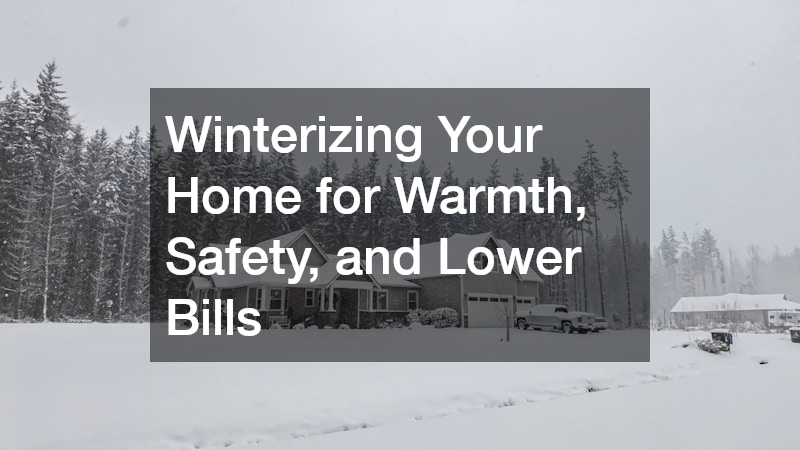
As winter approaches, homeowners everywhere face the same concerns: staying warm, protecting their property, and avoiding unnecessarily high energy bills. Winterizing your home is more than just putting on a few extra layers or adjusting the thermostat—it involves a series of practical, proactive measures designed to safeguard your home from harsh weather while improving comfort and efficiency. Taking the time to prepare can save significant money, prevent damage, and make your living space cozy throughout the season.
Cold temperatures, snow, ice, and heavy rain all pose risks to your home’s structure and systems. Drafty windows, leaky roofs, and poorly insulated basements can lead to higher heating costs and potential damage that is expensive to repair. By addressing these vulnerabilities early, homeowners can maintain warmth, prevent moisture intrusion, and reduce the strain on their heating systems. Winterization is not just about comfort—it’s a critical investment in your property’s longevity and safety.
Beyond the practical benefits, winterizing your home also contributes to energy efficiency and sustainability. Proper insulation, window coverings, and heating system maintenance help reduce energy consumption, lowering bills and your carbon footprint. This guide walks through ten critical strategies for winterizing your home, providing actionable steps that enhance warmth, safety, and efficiency, while ensuring your home remains a comfortable retreat during the coldest months of the year.
Protect Your Home From Winter Moisture
Winter often brings heavy rain, snow, and ice that can create serious water damage risks. Moisture seeping into your home can cause structural issues, mold growth, and costly repairs. Working with a waterproofing contractor ensures that your foundation, basement walls, and exterior surfaces are sealed and protected against water intrusion.
Professional waterproofing can identify weak spots that homeowners might overlook, such as hairline cracks in walls, improper drainage, or areas prone to flooding. Applying specialized coatings, sealants, or drainage solutions creates a barrier that keeps water out, protecting your home’s structural integrity and preventing mold that can affect indoor air quality.
Even simple steps, like cleaning gutters, installing downspout extensions, and grading soil away from the foundation, can significantly improve water resistance. However, a waterproofing contractor brings the experience and tools necessary to address hidden vulnerabilities, ensuring your home is truly winter-ready. By investing in professional waterproofing, you reduce both repair costs and the stress of dealing with unexpected water damage.

Transform Your Basement Into a Cozy Space
Basements are often overlooked when winterizing, but they play a crucial role in overall home comfort. Cold, damp basements can radiate chill throughout the house, increasing heating costs. Basement renovations can transform this space into a well-insulated, usable area while preventing moisture and mold problems.
Professional basement renovations include insulation upgrades, proper flooring selection, and wall finishing that resists humidity. Adding a radiant heating system or energy-efficient flooring materials can turn a previously chilly basement into a comfortable living space, office, or entertainment area. Proper ventilation is also key, as it prevents musty odors and maintains healthy indoor air quality.
By addressing insulation and moisture barriers during basement renovations, homeowners can enhance energy efficiency and reduce the burden on their heating system. A renovated basement is not only more functional but also contributes to lower utility bills and increased home value. Planning ahead for these updates ensures your home remains warm and inviting even during the coldest months.
Shield Your Home With Durable Exterior Panels
Your home’s exterior is the first line of defense against winter weather. High-quality siding protects against wind, rain, snow, and ice while contributing to energy efficiency. Working with siding contractors ensures your home’s exterior panels are properly installed, durable, and weather-resistant.
Siding contractors can assess your current exterior for wear and tear, cracks, or areas where insulation may be lacking. Replacing or repairing siding with materials designed for harsh climates helps maintain indoor temperatures and reduces heat loss. Vinyl, fiber cement, or insulated panels can offer additional protection while enhancing your home’s aesthetic appeal.
Routine maintenance, such as cleaning siding and inspecting for damage, complements professional installation. By shielding your home with durable exterior panels, you minimize drafts, prevent water damage, and create a stronger barrier against winter elements, ultimately lowering heating bills and extending the lifespan of your property.
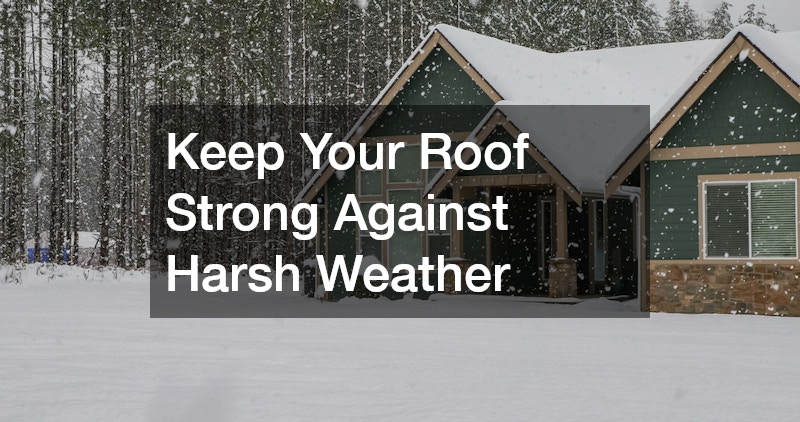
Keep Your Roof Strong Against Harsh Weather
A solid roof is essential for protecting your home during winter storms. Snow accumulation, ice dams, and strong winds can compromise roof integrity if it hasn’t been properly maintained. Roofing services provide inspections, repairs, and preventative solutions to ensure your roof can withstand the season.
Professional roofers check for missing shingles, weak spots, or leaks that could become severe under winter conditions. They may also recommend adding insulation or ventilation to prevent ice dam formation, which can cause water to back up and damage ceilings or walls. Regular maintenance before winter is far less costly than emergency repairs during a storm.
Investing in roofing services not only protects your home but also preserves energy efficiency. A well-maintained roof reduces heat loss, keeps living spaces warm, and prevents damage that could result in expensive repairs. Homeowners who prioritize roof care enjoy peace of mind knowing their home is prepared for even the harshest winter conditions.
Ensure Hot Water Is Reliable All Winter
Nothing is more uncomfortable during winter than running out of hot water. Ensuring your water heater is functioning efficiently is a key component of winter home readiness. Water heater repairs before the cold season can prevent breakdowns and maintain a consistent hot water supply for showers, washing, and heating systems.
Technicians can inspect your water heater for leaks, sediment buildup, or worn components that could fail under heavy winter use. Flushing the tank, replacing anode rods, or repairing faulty thermostats improves efficiency and prolongs the life of your system. For older units, a full replacement may be the most cost-effective solution.
Reliable hot water contributes to comfort, hygiene, and energy savings. When your water heater is properly maintained, your home remains warm and convenient, even during prolonged cold snaps. Scheduling water heater repairs early avoids emergency service calls and ensures you stay cozy throughout the season.

Optimize Home Heating With Efficient Systems
Heating systems are at the heart of winter comfort. Mini split heat pumps offer a highly efficient way to keep your home warm while controlling energy costs. These systems can provide targeted heating to specific rooms, reducing waste and ensuring consistent temperatures throughout your living space.
Installing or maintaining mini split heat pumps requires professional expertise. Technicians assess your home’s heating needs, ensure proper installation, and check for optimal refrigerant levels and system calibration. Regular maintenance, including cleaning filters and checking connections, enhances efficiency and prolongs system life.
By upgrading to mini split heat pumps, homeowners can experience lower energy bills without sacrificing comfort. These systems are quiet, reliable, and adaptable, making them an excellent choice for winterizing your home. Efficient heating not only improves daily comfort but also reduces strain on older heating systems, preventing costly repairs later.
Maintain Your Heating Fuel Supply Safely
For homes that rely on heating oil, winter preparedness includes ensuring your fuel supply is sufficient and safe. Regular delivery schedules, storage tank inspections, and system maintenance help prevent interruptions in heating during cold spells. Planning ahead also helps avoid higher costs or delays that often occur during peak winter demand.
Maintaining heating oil systems involves checking for leaks, testing burners, and cleaning filters. Professional technicians can also advise on optimal tank placement and insulation to minimize heat loss. Neglecting these steps can lead to system inefficiency, higher fuel consumption, or emergency service needs during peak winter demand. Routine maintenance also prolongs the life of your heating system, reducing the likelihood of costly replacements.
Keeping a safe and adequate supply of heating oil ensures your home remains warm, prevents freezing pipes, and supports consistent indoor comfort. Proactive attention to fuel supply and system performance is an investment in safety, reliability, and cost savings throughout the season. By combining these precautions with other winterization efforts, homeowners can enjoy peace of mind and uninterrupted warmth all season long.
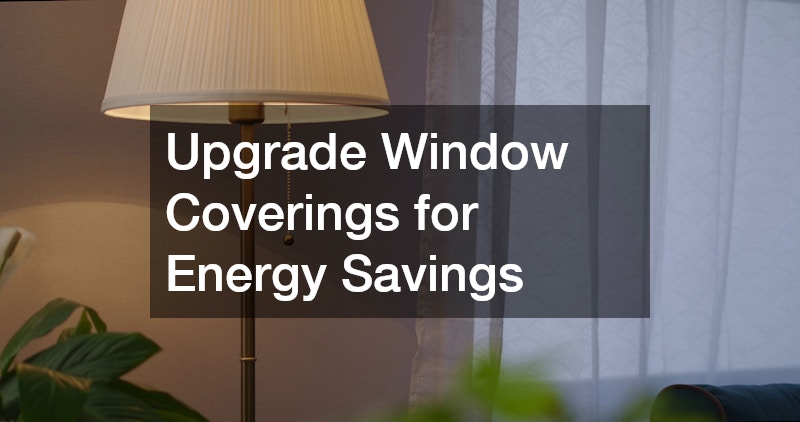
Upgrade Window Coverings for Energy Savings
Windows are often a significant source of heat loss in winter. Upgrading to cordless blinds and shades can improve insulation, block drafts, and enhance energy efficiency while maintaining safety for households with children or pets. Properly fitted window coverings also help prevent condensation buildup, which can protect window frames and surrounding walls from moisture damage.
Cordless blinds and shades provide a tight seal against cold air, helping to maintain consistent indoor temperatures. They are easy to operate and reduce the risk of accidents caused by dangling cords. Selecting insulated or layered materials further enhances warmth and can reduce the workload on your heating system. In addition, these coverings allow you to control natural light more effectively, which can supplement your heating strategy during sunny winter days.
Investing in quality window coverings contributes to lower energy bills, improved comfort, and a safer home environment. When paired with other winterization measures, cordless blinds and shades create an extra layer of protection against the cold, helping your home stay cozy throughout the season. Over time, this investment not only pays for itself through energy savings but also adds a polished, modern look to your living spaces.
Improve Entryways for Comfort and Security
Drafty doors can undermine all other winterization efforts. Exterior door replacement improves insulation, enhances security, and prevents heat loss. Modern doors feature advanced sealing technologies and durable materials designed to withstand extreme weather. Choosing the right door material and style can also help reduce maintenance needs while maximizing energy efficiency.
Replacing an older door involves more than aesthetics; it ensures that gaps, worn weatherstripping, or damaged frames no longer compromise energy efficiency. Professionals can also recommend doors with added insulation or storm door options for extra protection. Proper installation is key to maintaining a tight seal and preventing costly energy waste. Additionally, upgraded doors can improve noise reduction, making your home quieter and more comfortable during winter storms.
A new exterior door not only keeps your home warm but also boosts curb appeal and property value. Winterized entryways complement other home improvements, contributing to lower bills and a more comfortable, secure living space. When combined with other sealing and insulation upgrades, a high-quality door provides a strong defense against drafts and extreme temperatures year-round.
Manage Trees to Protect Your Home and Roof
Snow-laden branches and ice accumulation can pose serious risks to your home. Hiring a tree trimming company ensures that trees are maintained safely and strategically to prevent damage during winter storms.
Professional tree trimming removes weak or overhanging branches that could fall on your roof, windows, or vehicles. It also improves sunlight exposure, which can help naturally warm your home and reduce moisture buildup near foundations. Regular maintenance by experts minimizes hazards and enhances the aesthetic appeal of your property.
By addressing potential risks with tree trimming, homeowners protect their property, prevent costly repairs, and maintain safety for their family. Seasonal pruning is a proactive step in comprehensive winterization, safeguarding your home while keeping your yard healthy and attractive.
Winterizing your home is an investment in comfort, safety, and long-term savings. From moisture protection to heating system efficiency, each step contributes to a more secure and energy-efficient household. Collaborating with professionals like a waterproofing contractor, siding contractors, or a tree trimming contractor ensures that each measure is done correctly and effectively.
Small improvements, such as upgrading window coverings or replacing exterior doors, can have a significant impact on your energy bills and indoor comfort. Similarly, maintaining systems like water heaters, mini split heat pumps, and heating oil tanks ensures uninterrupted warmth during harsh winter conditions. Even basement renovations can transform cold, underused areas into cozy and energy-efficient living spaces.
By taking a comprehensive, proactive approach, homeowners can face winter confidently, knowing their home is protected, energy-efficient, and comfortable. Prioritizing these steps now not only lowers bills and prevents damage but also enhances the overall value and longevity of your property. Winterizing is not just preparation—it’s a commitment to a safer, warmer, and more efficient home for years to come.