Water damage is one of the most common and costly problems homeowners face. While it may begin with a small leak or a heavy rainstorm, the effects can spread quickly throughout a home if not addressed promptly. Moisture can damage structural materials, ruin flooring and drywall, and create the perfect environment for mold growth. In many cases, homeowners don’t realize there’s a problem until significant damage has already occurred.
Severe weather, plumbing failures, poor drainage, and aging home systems can all contribute to moisture problems. Even homes that appear well-maintained can experience water intrusion during extreme storms or flooding events. Once water enters a home, it often spreads into hidden areas such as wall cavities, insulation, and flooring layers. These damp environments can lead to structural deterioration and indoor air quality issues if not properly treated.
The good news is that many water damage problems can be prevented with proper preparation and regular home maintenance. Understanding where water is most likely to enter your home, how to respond quickly after flooding, and how to monitor for signs of mold can save thousands of dollars in repairs.
This guide will walk homeowners through the key steps involved in preventing, detecting, and addressing water damage. From improving storm protection to identifying early warning signs of moisture problems, learning these strategies can help protect both your home and your health.
Identify the Most Common Entry Points for Rain and Floodwater
Storms can introduce large amounts of water to residential areas in a very short time. When heavy rainfall, strong winds, or flooding occurs, water naturally seeks out the easiest path into a home. Understanding these entry points allows homeowners to reinforce vulnerable areas before damage occurs.
Doors, windows, roofing edges, and drainage systems are among the most common places where rainwater can infiltrate a home. During severe storms, wind-driven rain can push water through small openings that might otherwise go unnoticed.
One effective protective upgrade for homes located in storm-prone regions is installing hurricane proof doors. These doors are designed to withstand strong winds and heavy rainfall, reducing the likelihood that water will be forced through door frames during extreme weather events.
Key features of hurricane proof doors include:
- Reinforced frames and hardware
- Impact-resistant glass or panels
- Weather-tight seals that block wind-driven rain
- Improved structural strength during storms
While doors protect the home at entry points, drainage systems help keep water away from the structure in the first place. Proper rain gutter installation ensures that water flowing from the roof is directed safely away from the house.
Without gutters, rainwater can run directly down exterior walls and pool around the foundation. Over time, this moisture can seep into basements or crawlspaces.
Homeowners should regularly inspect their gutter systems to ensure they function properly. Maintenance steps include:
- Cleaning debris from gutters and downspouts
- Checking for sagging or loose sections
- Ensuring downspouts extend away from the home’s foundation
- Inspecting for leaks or cracks in the gutter system
By reinforcing doorways and maintaining proper drainage, homeowners can significantly reduce the risk of water intrusion during storms.
Strengthen Entry Points with Safer Door Options

Entry doors serve as both a security feature and a protective barrier against environmental threats. In addition to protecting against storm damage, homeowners may also consider safety upgrades that protect against other hazards.
One example is installing a fireproof door in areas of the home where additional protection may be beneficial, such as between a garage and living space. These doors are constructed with materials designed to resist heat and slow the spread of flames during a fire emergency.
When combined with hurricane proof doors on exterior entrances, these upgrades create multiple layers of protection for the home.
Benefits of installing reinforced doors include:
- Increased resistance to severe weather
- Better insulation and energy efficiency
- Improved home security
- Enhanced emergency safety
Homeowners should also regularly inspect door frames and seals to ensure they remain weather-tight. Over time, weatherstripping can deteriorate, allowing moisture to enter during storms.
Preventive maintenance for exterior doors includes:
- Checking weather seals for wear
- Replacing damaged door sweeps
- Ensuring hinges and locks are secure
- Inspecting frames for cracks or gaps
Upgrading doors and maintaining their protective features helps prevent water from entering the home during severe weather while improving overall safety.
Improve Yard and Roof Drainage Before Storm Season
One of the most overlooked factors contributing to water damage is poor drainage around the home. When rainwater cannot flow away from the structure efficiently, it begins to accumulate near the foundation, increasing the likelihood of leaks and flooding.
A properly designed drainage system starts with effective rain gutter installation. Gutters collect rainwater from the roof and channel it through downspouts that carry water away from the house.
If gutters are clogged or poorly installed, water may overflow and saturate the soil around the foundation. Over time, this constant moisture can lead to cracks, leaks, and basement flooding.
Another issue homeowners should consider is stormwater pollution. During heavy rainfall, runoff water often carries contaminants such as oil, pesticides, and debris from streets and lawns into local waterways.
Managing runoff effectively helps protect both the home and the surrounding environment.
Simple drainage improvements homeowners can make include:
- Extending downspouts several feet away from the house
- Regrading soil to slope away from the foundation
- Installing drainage channels in problem areas
- Using rain barrels to collect excess water
Additional landscaping techniques can also improve drainage. Planting water-absorbing vegetation or installing permeable surfaces allows rainwater to soak into the ground gradually rather than pooling near the home.
Addressing drainage problems early prevents structural damage and reduces the likelihood of flooding during severe weather.
Take Quick Action to Reduce Structural Damage
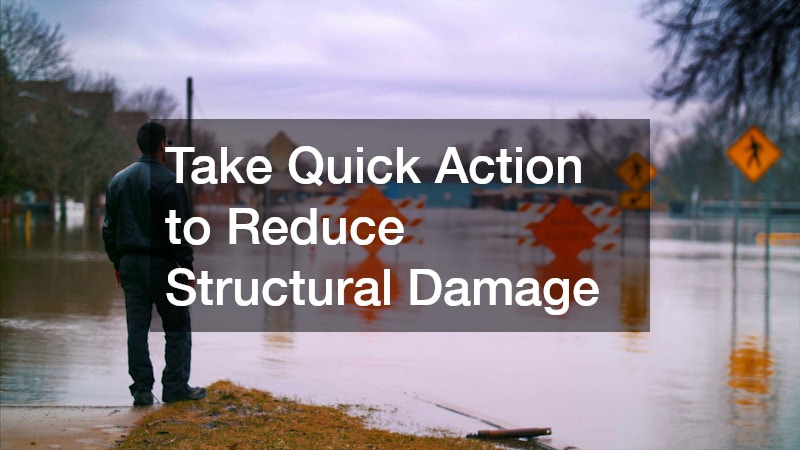
When flooding occurs, time becomes the most important factor in limiting damage. Water can begin weakening structural materials and soaking into insulation and flooring within minutes.
If a home experiences flooding or severe water intrusion, homeowners should take immediate action to minimize damage and ensure safety.
Initial emergency steps include:
- Turning off electricity in affected areas
- Stopping the water source if possible
- Removing valuable belongings from flooded areas
- Documenting damage for insurance purposes
Once these steps are completed, professional flood services may be necessary to remove standing water and begin the drying process. Floodwater can carry debris, bacteria, and contaminants that require specialized equipment for safe removal.
Professional teams often use:
- High-powered water extraction pumps
- Industrial drying fans
- Dehumidifiers designed for structural drying
- Moisture detection equipment
After the water has been removed, water damage restoration specialists focus on drying building materials and preventing long-term damage.
This process may involve:
- Removing damaged drywall and insulation
- Drying flooring and subfloor materials
- Sanitizing affected areas
- Monitoring moisture levels until structures are fully dry
Quick action significantly reduces the likelihood of mold growth and structural deterioration following a flood.
Learn the Early Warning Signs of Mold Growth
Mold can begin developing within 24 to 48 hours after water exposure. Because mold often grows in hidden areas such as wall cavities or beneath flooring, homeowners may not notice it until it becomes a larger problem.
Recognizing early warning signs helps homeowners address mold issues before they spread.
Common indicators of mold growth include:
- Persistent musty odors
- Dark or discolored spots on walls or ceilings
- Warped or peeling paint
- Increased allergy symptoms indoors
If any of these signs appear after water damage, homeowners should consider scheduling professional mold assessments. These inspections help identify hidden mold colonies and determine the extent of contamination.
During mold assessments, professionals typically evaluate:
- Moisture levels in walls and flooring
- Visible mold growth
- Ventilation systems and air circulation
- Potential sources of water intrusion
For more detailed analysis, a mold testing company may perform air or surface sampling. Laboratory testing can identify specific mold types and determine whether concentrations exceed safe levels.
Early detection is essential for protecting indoor air quality and preventing mold from spreading throughout the home.
Prevent Health Risks During Mold Cleanup
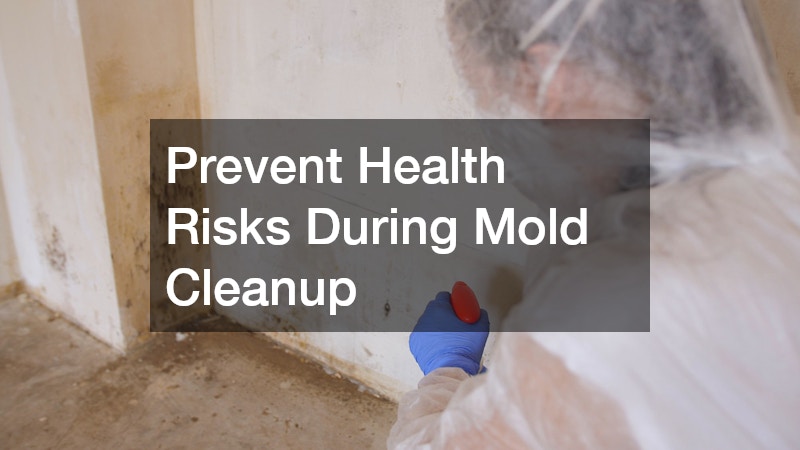
Mold exposure can affect indoor air quality and may cause health problems for some individuals. For this reason, proper cleanup procedures are essential when mold contamination occurs.
Small mold patches may sometimes be cleaned by homeowners, but larger infestations often require professional mold removals to ensure the problem is handled safely.
Situations that typically require professional mold removals include:
- Mold covering large areas of walls or ceilings
- Mold growing inside HVAC systems
- Recurring mold after previous cleaning attempts
- Mold caused by severe flooding
A mold restoration business has the equipment and expertise needed to remove contaminated materials while preventing spores from spreading to other areas of the home.
Typical remediation procedures may include:
- Isolating the affected area with containment barriers
- Using air filtration systems to capture mold spores
- Removing contaminated drywall or insulation
- Cleaning and disinfecting surfaces
Protective equipment such as respirators and specialized cleaning solutions are often required during remediation.
Proper mold removal not only restores the home’s condition but also protects the health of occupants.
Restore Structural Integrity and Prevent Future Issues
After water damage and mold contamination are addressed, the next step is repairing the home’s structure. Moisture can weaken building materials such as drywall, wood framing, and insulation, so thorough repairs are necessary.
Professional water damage restoration services often include rebuilding or replacing damaged sections of the home.
Common repair tasks include:
- Replacing water-damaged drywall
- Installing new insulation
- Repairing flooring and subfloors
- Sealing cracks or leaks in walls and foundations
A mold restoration business may also apply antimicrobial treatments to prevent future mold growth in areas that were previously contaminated.
Homeowners should also consider long-term improvements that reduce the risk of future water damage. These upgrades might include improving ventilation systems, reinforcing drainage systems, or installing moisture-resistant materials during repairs.
Restoration is not only about fixing damage—it also provides an opportunity to strengthen the home against future problems.
Build a Long-Term Home Protection Plan

Preventing water damage requires ongoing maintenance and monitoring. Developing a long-term protection plan helps homeowners identify potential risks before they lead to major problems.
Regular inspections are an essential part of this process. Homeowners should periodically check for signs of moisture around windows, doors, plumbing fixtures, and basements.
Routine maintenance tasks include:
- Cleaning gutters and downspouts
- Inspecting roofs for missing shingles
- Checking plumbing connections for leaks
- Monitoring basement humidity levels
Professional inspections can also play a valuable role in prevention. Scheduling periodic evaluations with a mold testing company helps ensure indoor air quality remains safe.
Additionally, flood services may offer preventive solutions such as flood barriers, drainage improvements, and sump pump systems that reduce the risk of flooding during heavy storms.
Staying proactive with maintenance and inspections allows homeowners to detect problems early and protect their homes from costly water damage.
Water damage can begin with something as simple as a clogged gutter or a small leak, yet its consequences can quickly escalate into major structural and health issues. Understanding how storms, flooding, and poor drainage contribute to moisture problems allows homeowners to take preventive measures before damage occurs.
Protecting entry points, maintaining proper drainage, and responding quickly after flooding are all critical steps in safeguarding a home. Equally important is recognizing the signs of hidden moisture and addressing mold issues before they spread throughout the structure.
With regular maintenance, informed decision-making, and the support of experienced professionals when needed, homeowners can significantly reduce the risk of water damage. Taking these proactive steps helps preserve the safety, value, and comfort of a home for many years to come.