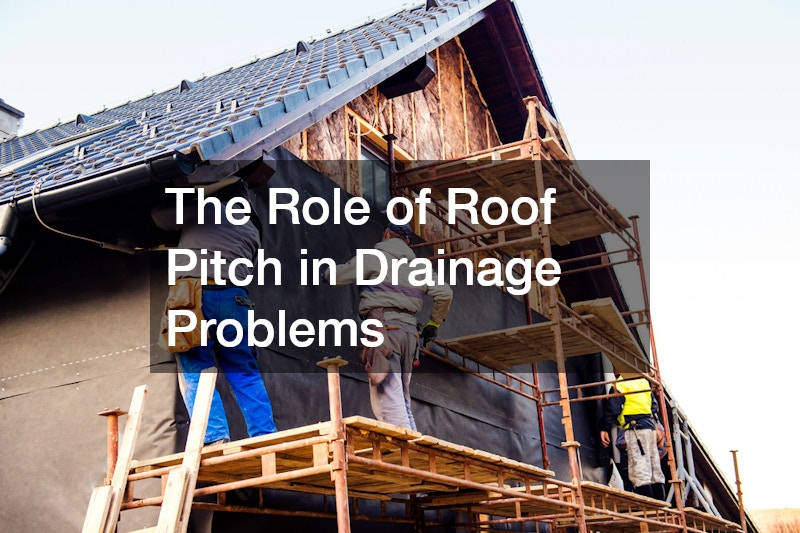
Roof pitch plays a far more important role in home protection than most people realize. It directly affects how quickly water moves off a surface, how snow loads are managed, and how effectively a full roofing system performs over time. When pitch is too shallow or uneven, water tends to linger, increasing the chances of seepage, material breakdown, and structural stress. Even experienced roofers often point out that pitch-related drainage issues are among the most overlooked causes of recurring leaks in both residential and commercial properties. Proper understanding of slope design helps homeowners avoid unnecessary roof repair costs and reduces long-term strain on supporting structures.
In many cases, drainage problems are not caused by poor materials but by misaligned pitch or improper installation. This is where professional roofing services become essential. Whether a home was built decades ago or recently updated, evaluating slope consistency can reveal hidden issues that might otherwise go unnoticed. Local roofers often identify early warning signs during inspections that help prevent major failures later. From shingle wear patterns to gutter overflow, pitch influences nearly every aspect of performance.
Working with experienced roofers ensures that both design and function are aligned. Whether consulting a roofing contractor or coordinating with roofing companies for upgrades, pitch assessment remains a foundational step. Even when selecting materials from a metal roofing supplier, slope compatibility determines how well the system will function. Understanding this relationship helps homeowners make smarter decisions about roof install projects and long-term maintenance planning.
How Does Roof Pitch Affect Water Drainage?

Roof pitch determines how gravity interacts with water movement across a structure. A steeper angle encourages rapid runoff, while a shallow pitch slows water movement, increasing the chance of pooling. This difference has a direct impact on durability, especially when weather conditions fluctuate throughout the year. Roofers typically evaluate pitch first because it influences every downstream performance factor.
The Relationship Between Pitch And Water Flow
Water naturally follows the path of least resistance, but roof geometry can disrupt that flow in subtle ways. When pitch is too low, water may collect in shallow depressions, gradually weakening underlayment and decking materials. Roofing companies often design systems to balance slope and material type so water consistently reaches gutters without interruption.
Cold climates introduce additional complications. Ice formation along slow-draining sections can block runoff entirely, forcing water beneath shingles or seams. Roofers account for these conditions by adjusting installation methods and reinforcement points. A roofing contractor may also refine slope transitions during a roof install to reduce weak drainage zones and improve long-term water movement.
Identifying Poor Drainage Signs
Drainage issues caused by pitch problems rarely appear all at once. Instead, they develop gradually through subtle warning signs. Water stains along ceilings, uneven shingle aging, and repeated gutter overflow are some of the earliest indicators. Homeowners often assume these issues require immediate roof repair, but the real cause is frequently structural slope rather than surface failure.
Local roofers typically confirm this by observing how water behaves during rainfall rather than relying solely on static inspection. Roofing services may also include moisture tracing or attic evaluation to identify where water is lingering. These methods help distinguish between true material damage and drainage inefficiency caused by pitch.
What Are The Best Roof Pitches For Different Roofing Types?
Different roofing systems are designed to perform within specific slope ranges. A pitch that works well for one material may be entirely unsuitable for another. Roofers take both climate and material behavior into account when making recommendations.
Metal Roofing Pitch Recommendations
Metal roofing systems are highly efficient at shedding water, but they still depend heavily on correct pitch alignment. A metal roofing supplier usually provides minimum slope requirements based on panel type and seam design. If the pitch is too low, water can travel sideways or pool at seams, increasing the risk of leaks.
Roofers experienced with metal systems focus heavily on seam orientation and fastening patterns. Roofing companies often integrate additional underlayment layers in low-slope applications to reinforce water resistance. During a roof install, a roofing contractor may also adjust panel layout to improve drainage flow and reduce stress on critical joints.
Recommendations For Asphalt Shingles And Other Materials
Asphalt shingles require a more pronounced slope to function effectively. On lower pitches, water drains too slowly, increasing exposure time and potential infiltration. Roofing companies frequently recommend alternative materials when slopes fall below manufacturer guidelines.
Roofers may suggest modified systems or hybrid approaches depending on structural limitations. Local roofers also factor in seasonal conditions, since heavy rain or snow can intensify drainage challenges. In many cases, targeted roof repair alone is not enough if the slope itself limits water movement.
How Can Local Roofers Help With Drainage Issues?

Local roofers bring an important advantage: they understand how regional weather patterns interact with roof pitch over time. This allows them to identify drainage issues that may not be obvious in standard inspections.
The Benefits Of Hiring Local Expertise
Roofers working in specific regions often recognize patterns that repeat across neighborhoods, such as wind-driven rain angles or freeze-thaw cycles that stress certain slope designs. Roofing companies with local experience tend to refine their recommendations based on long-term environmental exposure rather than general guidelines.
A roofing contractor familiar with these conditions can detect subtle design flaws that affect drainage efficiency. This type of insight often prevents unnecessary roof repair work and helps extend system lifespan through better initial design decisions.
Services Offered By Local Roofers Related To Drainage
Drainage-focused services often include slope evaluation, runoff testing, and gutter alignment inspection. Roofers may also assess whether structural settling has altered original pitch over time. Roofing services sometimes involve correcting localized slope inconsistencies rather than replacing the entire system.
In more complex cases, roofing companies coordinate material upgrades or partial reconstruction. During a roof install or renovation, these adjustments ensure that water movement is consistent from the roof surface all the way to the drainage outlets.
What Role Do Gutters Play In Managing Roof Drainage?
Gutters act as the final stage of the drainage system, guiding water away from the structure after it leaves the roof surface. Even a properly pitched roof can underperform if gutters are not functioning correctly.
The Importance Of Gutter Design And Installation
Gutters must be designed to match both roof pitch and expected water volume. If they are too small or incorrectly angled, overflow becomes inevitable. Roofing companies often integrate gutter planning into overall roofing design to prevent these issues.
Roofers also evaluate fascia strength and attachment points during installation. A roofing contractor may reinforce these areas during a roof install to ensure the system can handle seasonal water loads. Proper alignment ensures that runoff transitions smoothly from roof to gutter without backflow.
Maintenance Tips For Gutters To Prevent Overflow
Routine maintenance plays a major role in drainage performance. Roofers frequently find that gutter blockages are mistaken for pitch problems, when debris buildup is actually the cause. Local roofers recommend seasonal cleaning to maintain consistent flow.
Roofing companies sometimes install guards or filtration systems to reduce debris accumulation. When gutters are neglected, roof repair needs tend to increase because overflow begins affecting roof edges and fascia boards.
How Often Should Roofing Maintenance Be Done To Prevent Drainage Problems?

Regular maintenance helps ensure both pitch performance and drainage systems remain aligned and functional over time.
Recommended Maintenance Schedule
Most roofing services recommend inspections twice per year, typically in spring and fall. Roofers evaluate slope consistency, material condition, and gutter performance during these visits. Roofing companies often offer maintenance programs to ensure small issues are addressed early.
A roofing contractor may also reassess drainage efficiency if weather conditions or structural shifts have changed runoff behavior. Consistent maintenance significantly reduces the likelihood of unexpected roof repair events.
Signs That Indicate Immediate Roof Repair Is Needed
Certain symptoms require immediate attention, including sudden leaks, sagging roof sections, or persistent water pooling. Roofers prioritize these issues because they often indicate deeper structural concerns.
Local roofers may identify pitch-related failures that require more than surface patching. Roofing services in these situations typically involve emergency stabilization followed by full system evaluation. In some cases, a full roof install correction becomes necessary.
What Should Homeowners Know About Roofing Companies And Drainage Solutions?
Choosing the right provider is critical because drainage design depends heavily on technical accuracy during installation and planning.
Evaluating Roofing Companies For Drainage Expertise
Roofers working within experienced roofing companies often receive specialized training in slope evaluation and water flow behavior. A roofing contractor should be able to explain how pitch affects long-term performance across different materials and weather conditions.
Roofing services that include drainage modeling or detailed slope analysis tend to deliver more consistent outcomes. Coordination with a metal roofing supplier can also indicate higher technical capability when working with specialized systems.
Comparing Roofing Services For Best Drainage Practices
Not all roofing services approach drainage with the same level of depth. Some focus primarily on surface repair, while others prioritize full-system optimization. Local roofers often provide more tailored recommendations based on environmental exposure.
Roofing companies that integrate pitch evaluation into every roof install generally reduce long-term maintenance issues and improve overall system performance.
When Is It Time To Hire A Roofing Contractor For Pitch Issues?
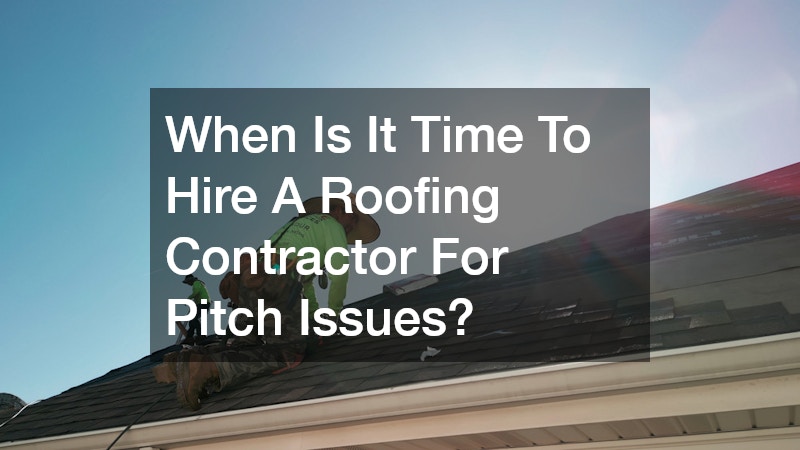
Pitch problems often become noticeable only after recurring damage appears, making timely evaluation important.
Signs That Indicate A Need For Professional Help
Uneven runoff patterns, repeated leaks, and visible structural sagging often indicate underlying pitch issues. Roofers assess whether these problems are isolated or part of a larger drainage failure.
Roofing companies may dispatch a roofing contractor to determine whether correction or redesign is necessary. Local roofers are often the first to detect these issues during routine inspections.
Questions To Ask Your Roofing Contractor
Homeowners should ask how pitch is measured, how drainage is tested, and whether adjustments can be made without full replacement. Roofers should clearly explain how slope affects material performance and longevity.
Roofing services should also outline whether corrections can be integrated into existing systems or require a full roof install. Understanding material compatibility, especially when working with a metal roofing supplier, helps clarify long-term expectations.
What Are The Consequences Of Poor Roof Pitch And Drainage?
Improper pitch design affects the entire roofing system, not just surface performance.
Long-Term Impacts On Roof Longevity
When water does not drain efficiently, materials degrade faster and more unevenly. Roofers frequently see reduced system lifespan in poorly pitched roofs compared to properly designed ones.
Roofing companies may recommend full replacement when deterioration becomes widespread. A roofing contractor evaluates whether repairs are still viable or if structural redesign is more cost-effective than repeated roof repair.
Local roofers emphasize early intervention because small corrections made during a roof install stage can significantly extend overall system lifespan.
Financial Implications Of Ignoring Roof Pitch Problems
Ignoring drainage issues leads to escalating repair costs over time. Roofers often see minor issues evolve into structural damage affecting insulation and framing.
Roofing services become more extensive as water infiltration spreads. Coordination with experienced roofers early in the process helps avoid repeated expenses and reduces long-term maintenance burden.
Roof pitch is one of the most important yet overlooked elements of roofing performance. It directly controls how efficiently water moves across a structure and determines whether drainage systems function as intended. When pitch is properly designed and executed, roofs last longer, require fewer repairs, and perform more consistently under changing weather conditions.
Roofers consistently find that many drainage problems originate not from material failure, but from slope inefficiencies that were never addressed during installation. This is why roofing companies place such strong emphasis on pitch evaluation during planning and inspection. A knowledgeable roofing contractor can often prevent long-term issues by correcting small design flaws before they escalate.
Local roofers provide additional value by accounting for regional weather behavior that affects drainage performance over time. Combined with proper roofing services, compatible materials from a metal roofing supplier, and correctly executed roof install work, these considerations create a more durable and efficient system.
Ultimately, understanding roof pitch allows homeowners to make more informed decisions, reduce unnecessary roof repair work, and maintain a healthier roofing system for years to come.