
- A proactive, year-round maintenance approach helps prevent costly repairs and extends the lifespan of your home’s key systems.
- Seasonal upkeep—inspections in spring, upgrades in summer, preparation in fall, and monitoring in winter—keeps your home resilient against changing conditions.
- Regular inspections of roofing, plumbing, electrical systems, and the foundation allow early detection of issues before they escalate.
- Managing moisture, drainage, and insulation is essential to avoid structural damage, mold growth, and energy inefficiency.
- Home security measures, from basic locks to smart systems, play a critical role in protecting your property and family.
- Proper care of appliances, ventilation, and landscaping contributes to both safety and long-term home durability.
- Having an emergency plan and leveraging modern technology ensures you can respond quickly to unexpected situations.
Your home is more than just a place to live—it’s one of your most valuable investments. Protecting it requires more than reacting to problems as they arise. It involves a proactive, year-round approach that combines regular maintenance, smart upgrades, and seasonal preparedness. Whether you’re a new homeowner or have lived in your property for years, understanding how to safeguard your home from common risks can help you avoid costly repairs and ensure a safe, comfortable environment.
This comprehensive guide walks you through practical, actionable strategies to protect your home throughout the year. From weatherproofing and structural maintenance to security and energy efficiency, each section provides insights that can help you stay one step ahead of potential issues.
Why is Year-Round Home Protection Important?
Many homeowners focus on maintenance only when something goes wrong. Unfortunately, by the time visible damage appears, the underlying issue may already be extensive and expensive to fix. A year-round approach shifts your mindset from reactive to preventive.
Here’s why consistent home protection matters:
- Cost savings: Regular maintenance is significantly cheaper than major repairs or replacements.
- Improved safety: Identifying hazards early reduces risks to your family.
- Higher property value: A well-maintained home retains and even increases its market value.
- Peace of mind: Knowing your home is protected allows you to focus on other priorities.
By addressing potential problems early, you can extend the lifespan of your home’s key systems and avoid unexpected disruptions.
What are the Biggest Threats to Your Home?
Before diving into solutions, it’s important to understand what you’re protecting your home from. While risks vary by location and property type, most homeowners face a common set of threats:
Environmental Risks
- Heavy rain and flooding
- Strong winds and storms
- Extreme heat or cold
- Humidity and mold growth
Structural Risks
- Roof leaks or deterioration
- Foundation cracks
- Plumbing issues
- Electrical malfunctions
Security Risks
- Break-ins and theft
- Vandalism
- Fire hazards
Understanding these risks allows you to take targeted steps to minimize their impact.
How Can You Protect Your Home Through Seasonal Maintenance?
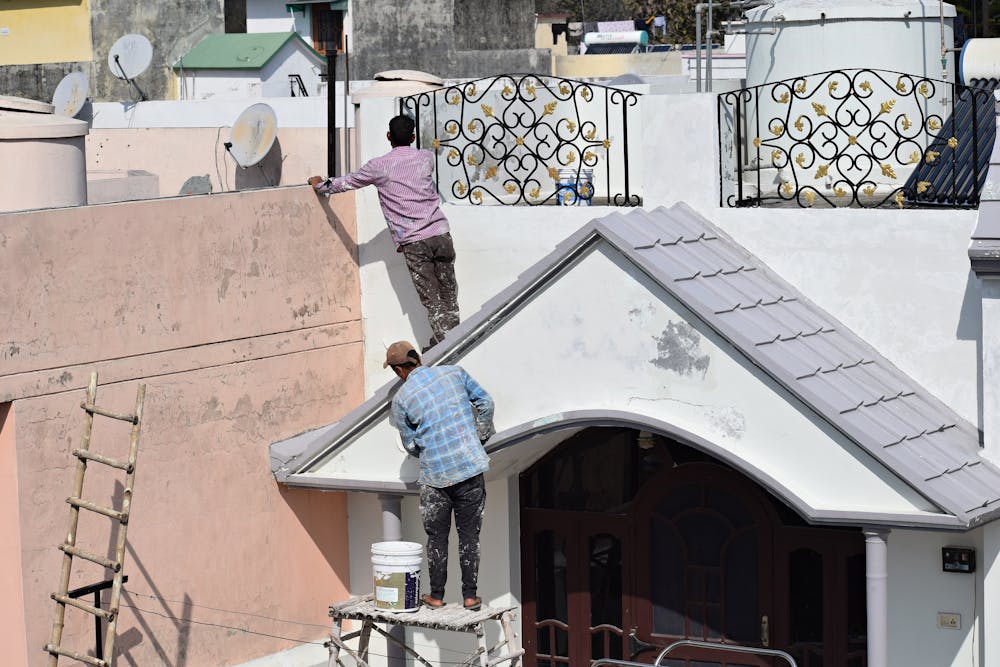
Each season brings unique challenges, making it essential to adapt your maintenance routine accordingly.
Spring: Inspection and Recovery
Spring is the ideal time to assess any damage caused by colder months and prepare your home for warmer weather.
Focus on the following tasks:
- Inspect your roof for missing or damaged shingles
- Clean gutters and downspouts
- Check for cracks in your foundation or exterior walls
- Service your HVAC system before summer
Spring cleaning should go beyond tidying up—it’s an opportunity to detect issues early and prevent them from escalating.
Summer: Strengthening and Upgrading
Summer offers the best conditions for repairs and improvements. Take advantage of the dry weather to reinforce your home.
Key actions include:
- Repair or replace damaged roofing materials
- Seal windows and doors to improve insulation
- Inspect your home’s exterior for wear and tear
- Upgrade outdoor drainage systems
This is also a good time to evaluate your home’s energy efficiency and consider upgrades that reduce long-term costs.
Fall: Preparing for Changing Conditions
As temperatures begin to drop, your focus should shift toward readiness.
Important fall maintenance tasks:
- Clear leaves from gutters to prevent blockages
- Inspect and clean your chimney
- Check weather stripping and insulation
- Test smoke and carbon monoxide detectors
Taking these steps helps ensure your home is ready for colder, wetter conditions.
Winter: Monitoring and Protecting
Winter can be particularly harsh on your home. While some maintenance tasks are limited during this season, monitoring becomes critical.
During winter:
- Check for ice buildup on roofs and gutters
- Keep indoor humidity levels balanced
- Inspect pipes for signs of freezing
- Ensure heating systems are functioning efficiently
Being vigilant during winter helps you catch problems before they escalate into emergencies.
How Do You Prevent Water Damage in Your Home?
Water damage is one of the most common and costly issues homeowners face. It can result from leaks, poor drainage, or extreme weather conditions. Preventing water damage should be a top priority in any home protection plan.
Common Sources of Water Damage
- Leaking roofs
- Burst or leaking pipes
- Clogged gutters
- Faulty appliances
- Poor drainage around the foundation
Practical Steps to Reduce Risk
To minimize the chances of water damage, consider the following:
- Inspect your roof regularly: Look for signs of wear, missing shingles, or leaks.
- Maintain gutters and downspouts: Ensure water is directed away from your home’s foundation.
- Seal cracks and gaps: Prevent water from entering through walls or foundations.
- Check plumbing systems: Address leaks immediately, no matter how small.
- Install sump pumps if necessary: Especially useful in flood-prone areas.
Preventing water damage requires consistent attention, but the effort pays off by protecting your home’s structure and interior.
What Role Does Proper Insulation Play in Home Protection?
Insulation is often associated with comfort, but it also plays a critical role in protecting your home from damage.
Benefits of Proper Insulation
- Reduces energy consumption
- Prevents moisture buildup
- Protects pipes from freezing
- Maintains consistent indoor temperatures
Poor insulation can lead to a variety of issues, including higher utility bills and structural damage over time.
Areas to Focus On
- Attic spaces
- Walls and crawl spaces
- Windows and doors
Investing in quality insulation ensures your home remains efficient and resilient throughout the year.
How Can You Improve Home Security?
Protecting your home isn’t just about structural integrity—it also involves safeguarding your property and loved ones.
Basic Security Measures
- Install sturdy locks on all doors and windows
- Use outdoor lighting to eliminate dark areas
- Keep landscaping trimmed to reduce hiding spots
Advanced Security Solutions
- Smart home security systems
- Surveillance cameras
- Motion detectors
- Alarm systems
Modern technology makes it easier than ever to monitor and protect your home, even when you’re away.
Are Regular Inspections Worth the Effort?
Routine inspections are one of the most effective ways to protect your home. They help identify issues before they become major problems.
What Should You Inspect?
- Roof and attic
- Plumbing systems
- Electrical wiring
- Foundation and structural components
Benefits of Regular Inspections
- Early detection of damage
- Lower repair costs
- Increased safety
- Improved home longevity
Scheduling professional inspections at least once a year can provide an added layer of assurance.
How Can Landscaping Help Protect Your Home?
Landscaping isn’t just about aesthetics—it can also serve as a protective barrier.
Strategic Landscaping Tips
- Plant trees and shrubs away from your home to prevent root damage
- Grade your yard to direct water away from the foundation
- Use gravel or mulch to improve drainage
- Trim branches that could fall during storms
A well-designed landscape reduces the risk of structural damage while enhancing curb appeal.
What are the Best Practices for Roof Maintenance?
Your roof is your home’s first line of defense against the elements. Keeping it in good condition is essential.
Signs Your Roof Needs Attention
- Missing or damaged shingles
- Water stains on ceilings
- Sagging areas
- Increased energy bills
Maintenance Tips
- Schedule regular inspections
- Clean debris from the roof surface
- Repair damage promptly
- Replace aging materials when necessary
Neglecting roof maintenance can lead to significant problems, including leaks and structural damage.
How Do You Protect Your Home’s Plumbing System?
Plumbing issues can cause extensive damage if not addressed quickly. A proactive approach can help you avoid costly repairs.
Preventive Measures
- Insulate exposed pipes
- Fix leaks immediately
- Avoid pouring grease down drains
- Install water pressure regulators
One critical aspect of maintaining your plumbing system is preparing your home for the winter season, as colder temperatures can cause pipes to freeze and burst if they are not properly insulated.
How Can You Protect Your Home from Fire Hazards?
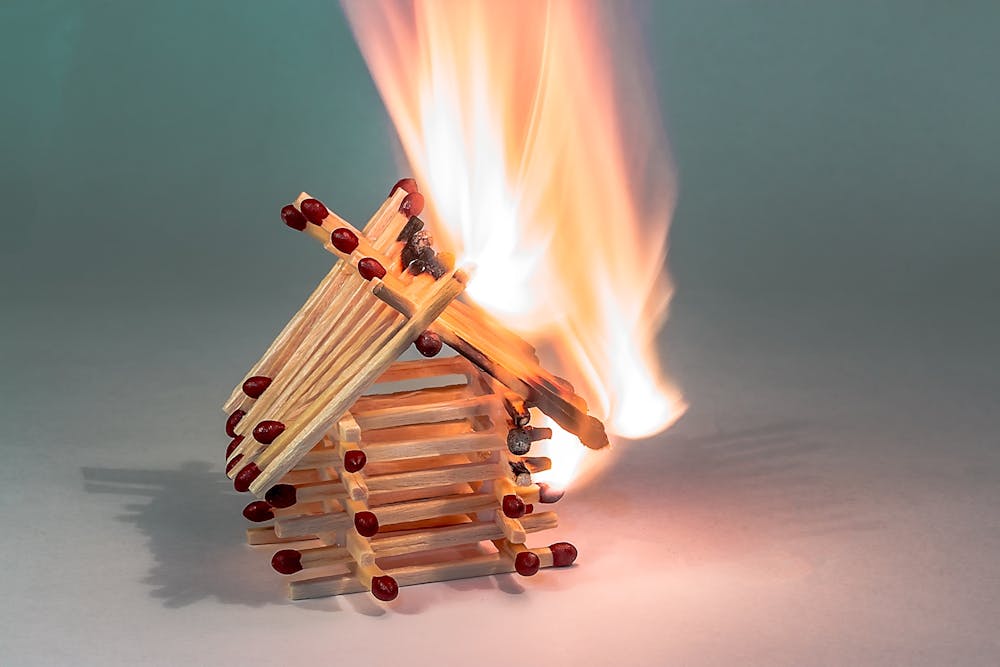
Fire is one of the most devastating threats a homeowner can face, yet many fire risks are preventable with the right precautions. Understanding common causes and taking proactive measures can significantly reduce the likelihood of a fire breaking out in your home.
Start by identifying potential hazards in key areas such as the kitchen, electrical systems, and heating equipment. Simple habits and routine checks can make a big difference.
Key fire prevention tips include:
- Install smoke detectors on every level of your home and test them monthly
- Keep fire extinguishers accessible in high-risk areas like the kitchen and garage
- Avoid overloading electrical outlets or using damaged cords
- Never leave cooking unattended, especially when using high heat
- Schedule regular inspections for heating systems and chimneys
Additionally, creating a fire escape plan ensures your family knows exactly what to do in case of an emergency. Practicing this plan regularly can save lives and minimize panic during critical moments.
What Steps Can You Take to Protect Your Home While You’re Away?
Leaving your home unattended—whether for work, travel, or extended vacations—can expose it to risks such as break-ins, leaks, or unnoticed system failures. Taking preventive steps before you leave helps ensure your home remains secure and well-maintained in your absence.
Begin by securing all entry points and eliminating visible signs that your home is unoccupied. Modern technology can also play a major role in remote monitoring.
Consider these practical measures:
- Lock all doors and windows securely before leaving
- Use smart lighting systems or timers to create the appearance of occupancy
- Ask a trusted neighbor to check on your home periodically
- Turn off the main water supply to prevent leaks or flooding
- Unplug non-essential appliances to reduce fire risks
For longer trips, investing in a smart home monitoring system allows you to receive real-time alerts and check in on your property from anywhere. These precautions help protect your home even when you’re miles away.
How Do Pests and Infestations Affect Your Home’s Safety?
Pests are more than just a nuisance—they can cause significant structural damage and pose health risks to your household. Termites, rodents, and insects can silently compromise your home if left unchecked.
Early detection and prevention are crucial to avoiding costly repairs and maintaining a safe environment.
Here’s how you can reduce the risk of infestations:
- Seal cracks and gaps around doors, windows, and foundations
- Store food in airtight containers and maintain cleanliness in kitchens
- Remove standing water that can attract insects
- Trim vegetation near your home to eliminate hiding spots
- Schedule regular pest inspections
Different pests bring different risks. For example, termites can weaken wooden structures, while rodents may chew through wiring, increasing fire hazards. A consistent pest control strategy is essential for protecting both your home and your family’s health.
Why is Proper Ventilation Essential for Home Protection?
Proper airflow is essential for keeping a home safe, comfortable, and structurally sound. When ventilation is insufficient, excess moisture can accumulate, creating ideal conditions for mold and mildew. Over time, this trapped moisture can also compromise indoor air quality and contribute to gradual damage within walls, ceilings, and other structural elements.
Many homeowners overlook ventilation, but it directly impacts the longevity of your home’s materials and systems.
Benefits of proper ventilation include:
- Reduces excess moisture that can lead to mold and mildew
- Improves indoor air quality by removing pollutants and allergens
- Helps regulate indoor temperature and prevent condensation
- Protects walls, ceilings, and insulation from deterioration
To improve ventilation, ensure that exhaust fans in bathrooms and kitchens are functioning properly. Opening windows when the weather permits and maintaining HVAC systems also contribute to better airflow.
By prioritizing ventilation, you create a healthier living space while preventing long-term damage that can be costly to repair.
How Can Energy Efficiency Support Home Protection?
Energy efficiency isn’t just about saving money—it also contributes to the overall health of your home.
Benefits of Energy Efficiency
- Reduces strain on home systems
- Minimizes temperature fluctuations
- Prevents moisture-related issues
Simple Upgrades
- Energy-efficient windows
- LED lighting
- Smart thermostats
- Sealed ducts
These improvements enhance your home’s resilience while lowering utility costs.
What Role Do Appliances Play in Home Safety?
Household appliances can be a hidden source of risk if not properly maintained.
Common Appliance Risks
- Water leaks from washing machines or dishwashers
- Fire hazards from faulty wiring
- Gas leaks from stoves
Safety Tips
- Inspect appliances regularly
- Replace worn-out components
- Follow manufacturer maintenance guidelines
- Unplug devices when not in use
Keeping appliances in good condition helps prevent accidents and extends their lifespan.
How Do You Create a Long-Term Home Protection Plan?
A long-term strategy ensures that your efforts remain consistent and effective.
Key Components of a Protection Plan
- Seasonal maintenance schedule
- Routine inspections
- Emergency preparedness plan
- Budget for repairs and upgrades
Tips for Staying Organized
- Use a maintenance checklist
- Set reminders for inspections
- Keep records of repairs and upgrades
Consistency is the key to protecting your home over time.
What Should You Do in Case of Emergencies?
Despite your best efforts, emergencies can still happen. Being prepared can make a significant difference.
Emergency Preparedness Tips
- Keep an emergency kit with essential supplies
- Know how to shut off water, gas, and electricity
- Have a list of emergency contacts
- Create an evacuation plan
Quick action during emergencies can minimize damage and ensure your family’s safety.
How Can Technology Help Protect Your Home?
Advancements in technology have made home protection more accessible and effective.
Smart Home Solutions
- Leak detection systems
- Smart thermostats
- Security cameras
- Automated lighting
These tools provide real-time monitoring and alerts, allowing you to respond quickly to potential issues.
Is Professional Help Necessary?
While many maintenance tasks can be handled independently, some require professional expertise.
When to Call a Professional
- Major structural repairs
- Electrical issues
- Plumbing system overhauls
- Roof replacements
Hiring qualified professionals ensures that work is done safely and correctly.
Conclusion
Protecting your home all year round requires a combination of awareness, preparation, and consistent action. By understanding the risks your home faces and implementing preventive measures, you can avoid costly repairs and maintain a safe, comfortable living environment.
From seasonal maintenance and regular inspections to smart upgrades and emergency preparedness, every step you take contributes to the long-term health of your home. With a proactive approach, you not only preserve your investment but also create a space where you and your family can thrive for years to come.