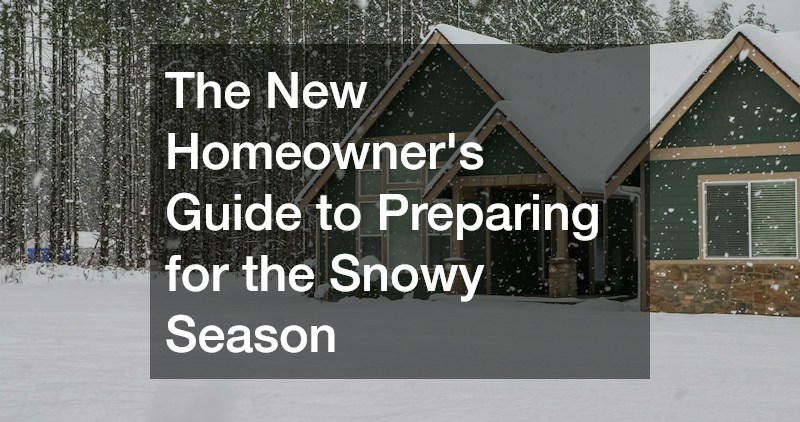
Entering the snowy season unprepared can lead to undue stress and costly damage for homeowners. This guide provides essential insights and steps to safeguard your home during the chilly months. As you read through this comprehensive resource, you will learn how to protect various parts of your home and make informed decisions to weather the winter effectively.

1. How can I protect my basement from water during winter?
Understanding Basement Waterproofing
Basement waterproofing is the process of preventing water from entering the basement of your home. By securing your basement, you protect your foundation and prevent mold, mildew, and damage to your property. Waterproofing can involve both internal and external methods to provide a thorough defense against water intrusion.
External waterproofing focuses on preventing water from entering in the first place. This may include the installation of gutters, downspouts, and proper lawn grading. Internally, methods such as sump pumps, sealants, and vapor barriers could be employed to keep your basement dry.
Professional Waterproofing Services
Professional waterproofing services can offer expert assessments and tailored solutions for your basement. Hiring experts ensure the right techniques and materials are used for long-lasting protection. It also adds an extra layer of security, saving future costs by preventing potential issues.
Most professionals provide warranties on their work, guaranteeing performance and peace of mind. Consider professional services if you’re unfamiliar with waterproofing processes or if your basement has experienced past issues. Check reviews and ratings to select reputable companies.
2. Why is roof inspection before the snowfall crucial?
Finding Reliable Roofing Companies
A thorough roof inspection by reputable roofing companies can prevent structural issues that may worsen during winter. These professionals can spot small problems before they turn into major repairs under the pressure of snow and ice. It is essential to choose experienced teams who know how to adequately prepare roofs for winter conditions.
Before settling on a roofing company, research their credentials and customer feedback. Ask for references and check their past work to ensure reliability. This due diligence will help safeguard your home’s roofing against severe weather damage.
Identifying Common Roof Problems
Identifying common roof problems before winter ensures they’re addressed timely. Issues like missing shingles, cracked flashing, or clogged gutters can escalate when left unattended in snowy conditions. Inspections can highlight these vulnerabilities and allow for proactive measures.
Regular inspections, especially by professionals, will identify these issues early. With this proactive approach, you can fix potential problems, avoid roofing emergencies, and maintain the structure’s integrity. Such diligence protects the home from leaks and more expensive future repairs.
3. What precautions should I take with my home’s siding?
Engaging with a Trusted Siding Company
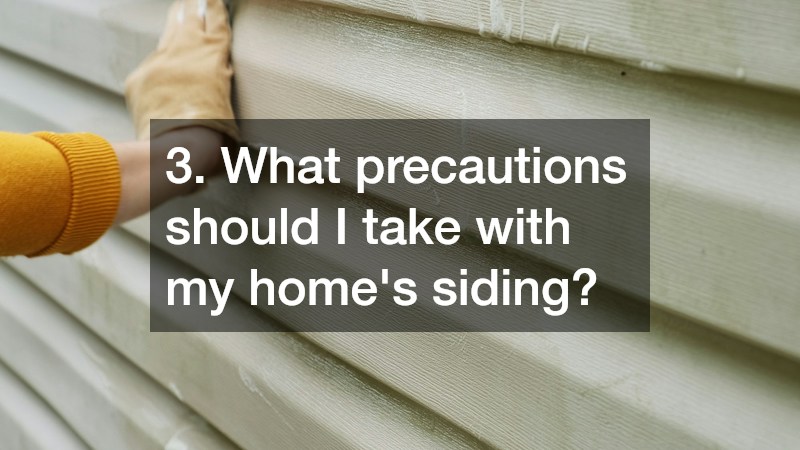
A trusted siding company can inspect your home’s siding for weaknesses that could lead to winter damage. Experienced professionals can recommend repairs or replacements if needed, ensuring your home’s exterior remains well-protected. High-quality siding can shield your home from harsh wind and moisture.
Engaging in regular maintenance with a proficient siding company can extend your siding’s life. Companies that use premium materials will better resist winter’s adverse effects. Always verify a company’s experience and reviews to ensure quality and reliability.
Maintenance Tips for Winter Weather
Winter weather requires specific care for your home’s siding, including routine checks for signs of wear. Regular cleaning and removal of debris can prevent damage from mold and mildew. Repair any small cracks to avoid moisture entering and freezing within the walls.
Consider having a professional apply a protective sealant before winter begins. This sealant acts as an extra barrier against moisture infiltration. Effective maintenance can prevent costly repairs and ensure your siding remains in top condition throughout the snowy months.
4. How to choose the best local roofers for winter preparation?
Evaluating Local Roofing Expertise
Selecting local roofers with extensive expertise is pivotal for effective winter preparation. Local experts are more familiar with the regional climate challenges and standards. They can tailor their services based on specific weather conditions and common local roofing practices.
When evaluating local roofers, review their experience, area knowledge, and portfolio of work. It’s advantageous to choose roofers who have proven success with similar homes in your area. This local knowledge, paired with a vast skill set, helps in better predicting and addressing winter roofing needs.
Checking Past Projects and Reviews
Reviewing a roofer’s past projects provides insight into their reliability and quality of work. Look for testimonials or reviews that highlight their attention to detail, professionalism, and customer satisfaction. A strong track record of successful roof installations or repairs assures peace of mind as winter approaches.
Online platforms are a good starting point for checking reviews, but direct references from past clients can offer more nuanced insights. This ensures you make informed decisions when selecting the best roofing service. By choosing wisely, you’ll secure durable roofing protection ready to withstand winter’s adversities.
5. When should I consider a roof replacement?
Signs Your Roof Needs Replacing
Visible signs that your roof needs replacing include persistent leaks, missing shingles, and significant granule loss. Age is also a key factor—most roofs have a lifespan of 20-25 years, depending on the material and maintenance. Noticing sunken areas or moss growth can also signal severe underlying issues.
Regular inspections or consultations with roofing companies can help identify these warning signs early. Ignoring these can result in catastrophic failures under snowy loads. When symptoms are clear and detailed, it’s time to consider a safe and timely replacement process.
Benefits of Local Roof Replacements
Opting for local roof replacements comes with various advantages, including proximity and prompt service. Local roofers understand the specific environmental demands and regional building codes, allowing them to efficiently cater to your needs. Additionally, locally sourced materials often suit the climate conditions better.
Support from nearby companies allows for better post-service follow-up and warranty support. Engaging local experts provides community accountability and fosters trust. By prioritizing local services, you ensure effective, community-oriented roofing support.
6. What role does a gutter contractor play in preventing snow damage?
Importance of Gutter Maintenance
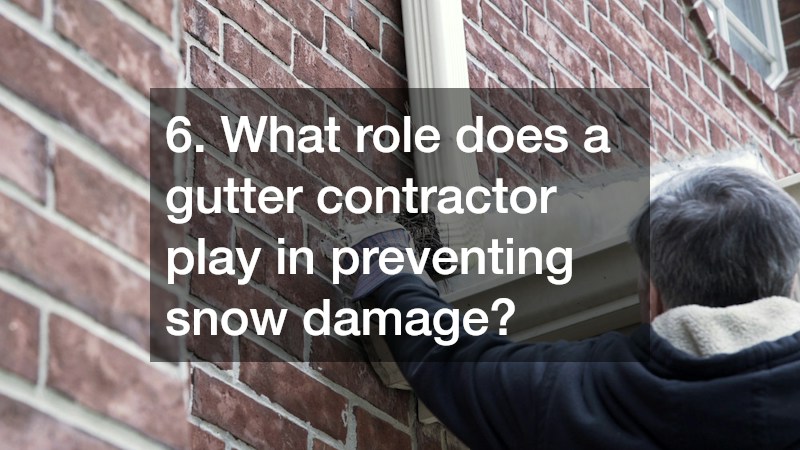
Gutter systems are crucial in directing water away from your home’s foundation and preventing water damage. Regular cleaning and maintenance are essential, especially before winter, to avoid blockages that could cause ice dams and leaks. A well-maintained gutter helps in managing snowmelt efficiently.
Periodic inspections can identify sagging or parts needing repair which reduces risks of collapse under snow weight. Furthermore, functioning gutters protect basement waterproofing efforts by ensuring proper water diversion. Consistent maintenance extends the life of your gutter system and boosts its effectiveness.
Choosing a Qualified Gutter Contractor
Hiring a qualified gutter contractor can ensure both proper installation and maintenance of your gutter systems. Experienced contractors can offer bespoke solutions to cater to the unique needs of your home. They also ensure adherence to all safety protocols, providing effective water management systems during winter.
Researching prospective contractors through reviews and recommendations can guide you towards trusted professionals. Verify their licensing, insurance, and previous customer experiences for the best results. A reliable gutter contractor will make significant contributions to preventing cold-weather damage.
7. How can I effectively manage snow and ice around my property?
Tools for Effective Snow and Ice Management
Essential tools for snow and ice management include shovels, snow blowers, and ice melt products. A quality snow shovel helps remove snow efficiently, protecting walkways and driveways. Snow blowers provide convenience for larger areas, making snow clearing faster and less physically taxing.
Ice melt products, available in various forms, help in reducing ice accumulation and maintaining traction on surfaces. Choosing eco-friendly options minimizes environmental harm while ensuring safety. Incorporating these tools into your routine ensures effective snow and ice management around your property.
Hiring Snow and Ice Management Services
Engaging snow and ice management services can relieve you from the strenuous task of snow removal. Professional services offer both periodic maintenance and emergency clearances tailored to your needs. Their expertise and equipment ensure thorough snow and ice removal, reducing injury risks and property damage.
When selecting services, prioritize those with strong community reputations and responsive customer service. Contracts typically cover comprehensive management, including walkways, driveways, and parking areas. By hiring professionals, you guarantee timely service and a safer winter environment.
8. What are the benefits of owning a snowplow?
Different Types of Snowplows
Snowplows come in various models designed for different needs, from personal to commercial use. Attachable plows for vehicles offer convenience for large spaces, while manual plows suit smaller driveways. Each type provides efficiency in clearing snow, with options catering to specific operational preferences.
DIY vs Professional Snowplowing
DIY snowplowing offers cost savings and flexibility, allowing you to clear snow at your convenience. With the right equipment, homeowners can effectively manage their snow removal tasks. However, challenges like heavy snow or ice accumulation often make professional services more appealing..
9. How do I ensure my furnace is ready for winter?
Essential Furnace Maintenance Tips
Before winter, ensure your furnace is in peak condition through regular maintenance. Change air filters periodically to enhance efficiency and improve air quality. Routine inspections should assess parts like burners and ignition systems to ensure optimal function throughout the season.
When to Call for Furnace Repair
Recognizing symptoms that indicate the need for furnace repair can preempt larger costly issues. Odd noises, uneven heating, or unexpected shutdowns signal that professional assessment is required. Addressing these issues promptly through professional services prevents escalations during cold spells.
10. What should I look for in a roofing warranty?
Understanding Different Warranty Types
Roofing warranties typically fall into two categories: manufacturer and workmanship warranties. Manufacturer warranties cover defects in materials, while workmanship warranties offer protection against installation errors. Understanding the nuances of both types helps in selecting an adequate coverage plan.
Questions to Ask Before Signing a Warranty
Before committing to a roofing warranty, clarify terms by asking specific questions. Inquire about coverage limits, exclusions, and claim processes for clear expectations. Understanding conditions that may void warranties safeguards against future complications.
11. How do ice dams form and how can I prevent them?
Identifying Ice Dam Formation Causes
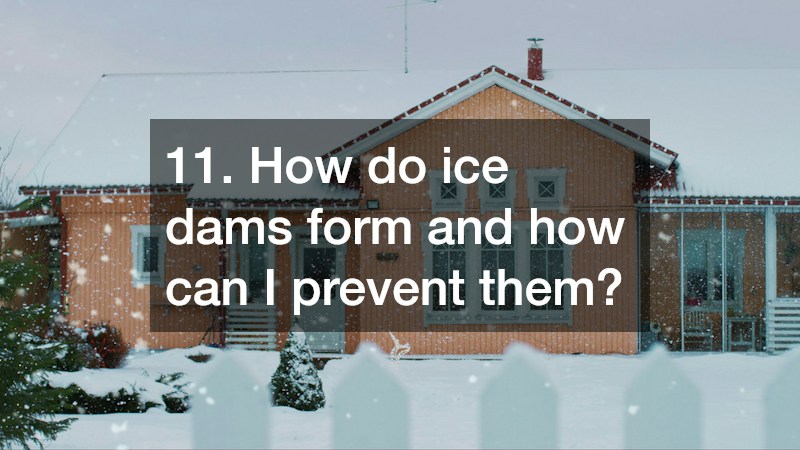
Ice dams form when warm air from inside the home melts snow on the roof, which then refreezes at the edges. This process is often exacerbated by inadequate attic insulation and ventilation. Ultimately, ice dams can lead to water seepage under shingles, causing leaks and roof damage.
Preventative Measures Against Ice Dams
Preventing ice dams requires comprehensive insulation and ventilation improvements. Sealing air leaks and adding attic insulation ensures even roof temperatures, reducing the chance of ice dams forming. Implementing these measures protects against water damage and prolongs roof life.
12. What are the energy efficiency improvements for winter?
Insulating Your Home Properly
Proper insulation keeps heat in, resulting in lower energy bills and a more comfortable winter environment. Evaluating existing insulation identifies potential shortfalls, particularly in attics, walls, and basements. Effective insulation is a critical investment for long-term efficiency and comfort.
Upgrading Windows and Doors
Upgrading windows and doors is another effective way to enhance home energy efficiency. Older models are prone to leaks, allowing warm air to escape and cold air to enter. Consider energy-efficient replacements such as double-glazed windows or insulated doors to minimize energy loss.
13. What should be included in a winter home safety checklist?
Checklist for Outdoor Preparations
Outdoor safety preparations include clearing gutters, checking for overgrown trees, and ensuring proper drainage away from foundations. Verify your snow removal equipment is in working order, and stock up on sand or ice melt for traction. Outdoor lighting should be functional for safety during longer hours of darkness.
Emergency Preparedness Inside the Home
Indoor preparations encompass checking smoke and carbon monoxide detectors to ensure operational safety. Stock fresh batteries and backup heating sources, like space heaters or blankets, for emergencies. A well-maintained furnace reduces dependency on these alternatives.
Conclusion
Preparing for the snowy season requires proactive measures across various aspects of home maintenance. By addressing these key areas, homeowners can ensure their homes remain safe, warm, and efficient throughout the winter months. With the knowledge and preparation outlined in this guide, you can enjoy a worry-free winter in your home.